Asia · Independently researched guide
Krabi outdoor guide
A limestone-coast base for sport climbing, mangrove kayaking, island hiking, snorkeling and diving, with boat access central to daily planning.
Quick answer
What is Krabi best for?
Krabi is best for sport climbing, sea kayaking, diving, snorkeling, coastal hiking. The most useful areas to research first are Railay limestone sectors, Tonsai sectors, Ao Thalane, Phi Phi and Ko Lanta dive zones.
Conditions at a glance
Weather, elevation and waves
Planning context is separated from live conditions so the numbers are useful without pretending to be a forecast.
Typical weather
23–32°C
Across the months listed in this guide, 2021–2025 daily averages were about 23–32°C, with 134 mm of precipitation in an average listed month.
Base elevation
36 m
36 m at the city-base model grid point. Route and summit elevations can be substantially different.
Waves, rivers or route terrain
12-month marine signal
This guide includes a 12-month offshore wave-energy signal near Krabi offshore waters, calculated from 2022–2025 daily model maxima. It helps compare boat and in-water exposure by month, but it does not predict site current, underwater visibility or marine-life encounters.
Interactive month planner
How conditions change through the year
Select a month to compare typical air temperature, precipitation, base elevation context and offshore wave energy near Krabi offshore waters.
Typical weather
Choose a month
Base elevation
36 m
Marine conditions
Choose a month
View the complete 12-month dataset
| Month | Typical low–high | Average precipitation | Offshore marine signal |
|---|---|---|---|
| January | 23–32°C | 56 mm | Usually lower offshore energy · 0.4 m · 5.9 s |
| February | 23–33°C | 70 mm | Usually lower offshore energy · 0.4 m · 6.2 s |
| March | 24–34°C | 95 mm | Usually lower offshore energy · 0.3 m · 6.9 s |
| April | 24–33°C | 173 mm | Usually lower offshore energy · 0.3 m · 8.3 s |
| May | 25–31°C | 259 mm | Usually lower offshore energy · 0.6 m · 7.4 s |
| June | 25–31°C | 183 mm | Usually lower offshore energy · 0.6 m · 6.4 s |
| July | 25–30°C | 212 mm | Variable offshore energy · 0.7 m · 6 s |
| August | 25–30°C | 224 mm | Variable offshore energy · 0.7 m · 6.2 s |
| September | 24–30°C | 282 mm | Usually lower offshore energy · 0.7 m · 5.9 s |
| October | 24–30°C | 271 mm | Usually lower offshore energy · 0.5 m · 7.1 s |
| November | 23–30°C | 315 mm | Usually lower offshore energy · 0.4 m · 7.1 s |
| December | 23–31°C | 135 mm | Usually lower offshore energy · 0.4 m · 7 s |
Historical monthly averages describe seasonal potential, not the conditions on a specific travel day. Marine signals use offshore wave-model output and do not account for site current, underwater visibility, tide, vessel limits, access or marine life.
Cost and connectivity
What housing and remote work may cost
The cost bars preserve the practical comparison from the original guide. Internet figures now use area-level fixed-network observations instead of an unsupported property-speed claim.
Monthly planning model
US$1,800 total
Broad editorial planning estimate. It is not a live quote and does not include flights, visas, insurance or major equipment purchases.
Area fixed-network signal · 2026 Q1
218.2 Mbps download
Test-weighted Ookla map-tile average within approximately 10 km of the destination coordinates. This describes the surrounding fixed network—not the Wi-Fi quality of a particular room or coworking space.
Nightly accommodation planning ranges
Compare stay types
Private rental
US$48–75/nightHotel room
US$94–132/nightHostel dorm
US$16–26/nightThese are expanded planning ranges from Nuevo Adventure's existing lodging model, not scraped Airbnb or live hotel inventory. Season, taxes, room type, location and booking lead time can materially change the total. Verify against live dates before booking.
Area-by-area guide
Best outdoor areas and route options
These are distinct areas, not interchangeable recommendations. Read the suitability note for each and verify current conditions before committing.
Sport climbing
Railay limestone sectors
A dense tropical climbing area with routes across grades; inspect current hardware information and use qualified instruction if unfamiliar with the rock.
Locate this areaSport climbing
Tonsai sectors
Steeper and often more advanced climbing with tide, approach and route-maintenance considerations distinct from Railay.
Locate this areaSea kayaking
Ao Thalane
Mangrove channels are highly tide dependent, so route length, current and access should be set by the day rather than a generic itinerary.
Locate this areaDiving and snorkeling
Phi Phi and Ko Lanta dive zones
Boat sites span different exposure and current; verify park fees, operator credentials, certification requirements and the actual itinerary.
Locate this areaIs it your kind of trip?
Would you enjoy using Krabi as your base?
Krabi makes the most sense when sport climbing and sea kayaking are the reason you are coming. Here is what tends to feel great, what can become frustrating, and what everyday logistics are actually like.
sport climbing and sea kayaking are why you are here
A limestone-coast base for sport climbing, mangrove kayaking, island hiking, snorkeling and diving, with boat access central to daily planning. Railay limestone sectors is a logical first area to research; it is not a promise of beginner terrain, so confirm the exact route or session locally.
You want every day to be predictable
The clearest example is Tonsai sectors: Steeper and often more advanced climbing with tide, approach and route-maintenance considerations distinct from Railay. That does not make the trip a bad idea; it means monsoon weather can cancel boats and reduce visibility. Check tides, marine-park rules, route hardware reports, operator credentials and heat management rather than relying on one regional forecast.
Expect transfers and a few early starts
Ao Nang and Krabi Town have stronger services and road access. Railay and Tonsai put climbing at the door but require boats for mainland errands and transfers; confirm property-level Wi-Fi. Day to day, you will be relying on Songthaew, taxi, scooter & long-tail boat. Check the first and last connection before committing to an early start.
March; heat, sun and afternoon weather may change start times.
January; pack for inactive periods and higher terrain, not only the town forecast.
November; precipitation can affect trails, access roads, river flow and visibility differently.
November, December, January, February, March. This combines several sports, so choose the month in the planner for activity-specific context.
Picture the stay
What 3 days, 1 week or a month in Krabi could look like
For water time in Krabi, the month matters, but so do the day's wind, swell, tide and current. Keep the best in-water day flexible until a local forecast and operator agree. Think of these as useful shapes for a trip, not reservations you have to force when conditions change.
A simple first visit
- Begin around Railay limestone sectors, but use the first local forecast or operator briefing to choose the exact water time, entry and equipment rather than locking it in from home.
- Give the cleaner wind, swell, tide or current window to Tonsai sectors. If the conditions do not suit your ability, make that the shore, skills or alternate-activity day.
- Keep the final day for Ao Thalane and Phi Phi and Ko Lanta dive zones, recovery, or the plan displaced by weather. A flexible third day is usually more valuable than a third prepaid commitment.
Let the conditions choose the order
Ao Nang and Krabi Town have stronger services and road access. Railay and Tonsai put climbing at the door but require boats for mainland errands and transfers; confirm property-level Wi-Fi. Spend the week between Railay limestone sectors, Tonsai sectors, Ao Thalane, and Phi Phi and Ko Lanta dive zones, but keep one recovery or work day and one weather-flex day. For water time in Krabi, the month matters, but so do the day's wind, swell, tide and current. Keep the best in-water day flexible until a local forecast and operator agree.
Build a routine before filling the calendar
A month gives you time to repeat sport climbing without chasing conditions every day. Ao Nang and Krabi Town have stronger services and road access. Railay and Tonsai put climbing at the door but require boats for mainland errands and transfers; confirm property-level Wi-Fi. Use the first week to test the trip to your priority area, gear storage, mobile backup and early-start transport. A broad working range is US$1,450–$2,250 before flights, insurance and major gear.
Remote-work reality
Where to base yourself
Ao Nang and Krabi Town have stronger services and road access. Railay and Tonsai put climbing at the door but require boats for mainland errands and transfers; confirm property-level Wi-Fi.
We do not label a destination's Wi-Fi as “tested” without property-level evidence. Ask a host for a recent speed test, confirm mobile coverage and keep a backup connection.
Safety and access
What can change the plan
Monsoon weather can cancel boats and reduce visibility. Check tides, marine-park rules, route hardware reports, operator credentials and heat management rather than relying on one regional forecast.
Forecasts, permits, closures and operator standards change. This guide is planning context, not a substitute for current official advice or professional instruction.
Before paying an operator
What to verify before booking in Krabi
Send the operator the names Railay limestone sectors, Tonsai sectors, Ao Thalane, Phi Phi and Ko Lanta dive zones and ask which one the booking actually uses. A product title can describe a region without guaranteeing the route, break, river section or launch you expect.
Diving and snorkeling
- Confirm operator credentials, marine-park fees, certification and last-dive requirements.
- Ask whether the plan is shore or boat based, plus the entry, exit, current and cancellation rules.
- Do not accept guaranteed wildlife or reef conditions; check current environmental restrictions.
Rafting, paddling and canyon water
- Get the exact river reach, current commercial grade and the flow or release threshold used to operate.
- Confirm minimum age, swim requirement, guide-to-guest ratio, PFD, helmet and thermal protection.
- Ask how rescue cover, evacuation and weather cancellation work before transport begins.
Hiking and mountain routes
- Match the exact route, elevation gain, surface and turnaround time to the slowest person.
- Check permits, closures, water availability, daylight and the current local forecast.
- Download an offline route and identify who coordinates rescue; phone signal is not an emergency plan.
Useful proof to keep: the exact meeting point, inclusions, participant requirements, operator reply, cancellation terms and emergency contact. Recheck conditions close to departure.
Map location
Where Krabi sits
Krabi, Thailand · 8.0863, 98.9063. Use the map as orientation, then open the named activity areas above for route-specific planning.
Optional external content
Load the interactive map
OpenStreetMap receives technical connection data, such as your IP address, only after you choose to load this map.
Gear for the trip
Top gear picks for Krabi
We favor proven models from established outdoor brands, plus practical accessories that earn their place in your bag. These picks match the activities and conditions you’re likely to encounter in Krabi; check sizing and any route-specific technical requirements before you buy.
Paid links. As an Amazon Associate I earn from qualifying purchases. Nuevo Adventure selects the products; Amazon supplies current listing details and does not determine the editorial picks. Availability, sizing and shipping vary. For safety equipment, verify applicable standards and professional fit.
La Sportiva TX4 Evo approach shoes
Why this pick: A durable technical approach shoe with sticky rubber, stable edging and enough support for rocky walk-ins and scrambling.
Why in Krabi: Helps on rocky approaches and scrambly terrain; prioritize precise fit and the surface described in the guide. This aligns with planning around Railay limestone sectors.
See this pick on AmazonMetolius climbing tape
Why this pick: A simple, purpose-made tape from a long-established climbing equipment company; useful for skin care without pretending to replace medical treatment.
Why in Krabi: A compact addition for repeated crag days without recommending life-support equipment online. This aligns with planning around Railay limestone sectors.
See this pick on AmazonNRS H2Core Silkweight paddling shirt
Why this pick: A paddling-specific technical top from an established river-equipment brand, chosen for quick drying, sun coverage and unrestricted movement around spray.
Why in Krabi: Handles spray, sun and repeated movement better than an ordinary cotton layer. This aligns with planning around Ao Thalane.
See this pick on AmazonOutdoor Research technical sun hoodie
Why this pick: A lightweight, moisture-managing layer chosen for repeat sun exposure when a practical wearable barrier is more dependable than remembering constant reapplication.
Why in Krabi: Adds wearable sun coverage for Krabi's warmer outdoor days without relying only on reapplication.
See this pick on AmazonBefore you go
Finish the practical trip setup
Use the destination guidance above first, then compare the partner terms that apply to your dates and activities.
Commission disclosure: Nuevo Adventure may earn a commission if you book or buy through these links, at no extra cost to you. Partner payments do not change the editorial guidance on this page.
Direct answers
Krabi outdoor travel questions
What is Krabi best for outdoors?
Krabi is strongest for sport climbing, sea kayaking, diving, snorkeling, coastal hiking. A limestone-coast base for sport climbing, mangrove kayaking, island hiking, snorkeling and diving, with boat access central to daily planning.
What are the best outdoor areas around Krabi?
Start with Railay limestone sectors, Tonsai sectors, Ao Thalane, Phi Phi and Ko Lanta dive zones. A dense tropical climbing area with routes across grades; inspect current hardware information and use qualified instruction if unfamiliar with the rock.
Is Krabi suitable for beginners?
Some guided or lower-commitment options may suit beginners, but the best-known terrain is not automatically beginner-friendly. Choose a qualified local provider and confirm current conditions.
When should I visit Krabi for outdoor activities?
The broad planning window in this guide is November, December, January, February, March. That combines the destination's main activities; the ideal month for one sport may be poor for another, so check the activity-specific forecast and operating calendar.
Can I work remotely from Krabi?
Ao Nang and Krabi Town have stronger services and road access. Railay and Tonsai put climbing at the door but require boats for mainland errands and transfers; confirm property-level Wi-Fi. Connection speed varies by building and provider, so request a recent speed test and confirm backup power or mobile coverage before booking a work-critical stay.
What weather and elevation should I plan for in Krabi?
Across the months listed in this guide, 2021–2025 daily averages were about 23–32°C, with 134 mm of precipitation in an average listed month. The base elevation is 36 m at the city-base model grid point. Route and summit elevations can be substantially different.
Provenance
Sources and image license
- Location and map reference: OpenStreetMap contributors.
- Destination identity: Q1000353 on Wikidata and Krabi on Wikipedia. These identity links disambiguate the place; they are not used as evidence for current conditions.
- Recent weather averages and model base elevation: Open-Meteo Historical Weather API, using daily data from 2021–2025. These are planning averages, not a live forecast.
- Area fixed-network download, upload and latency observations: Speedtest by Ookla Global Fixed and Mobile Network Performance Maps, 2026 Q1. Nuevo Adventure calculated a test-weighted average from map tiles within approximately 10 km of the destination coordinates; this is not a property Wi-Fi guarantee.
- Speedtest by Ookla Global Fixed and Mobile Network Performance Maps was accessed on 4 August 2026 from https://registry.opendata.aws/speedtest-global-performance/. Based on analysis by Ookla of Speedtest Intelligence data for 2026 Q1. Provided by Ookla and accessed 4 August 2026. Ookla trademarks used under license and reprinted with permission.
- Destination and activity guidance: Thailand government: Krabi and Railay. Route status, permits and operating information can change.
- Monthly offshore wave signal: Open-Meteo Marine Weather API, using 2022–2025 daily model maxima near Krabi offshore waters. It is not a break-specific forecast.
- Bookable activity details, review totals, prices and availability links are supplied by Viator's partner catalog and can change after publication. Nuevo Adventure may earn a commission from qualifying bookings.
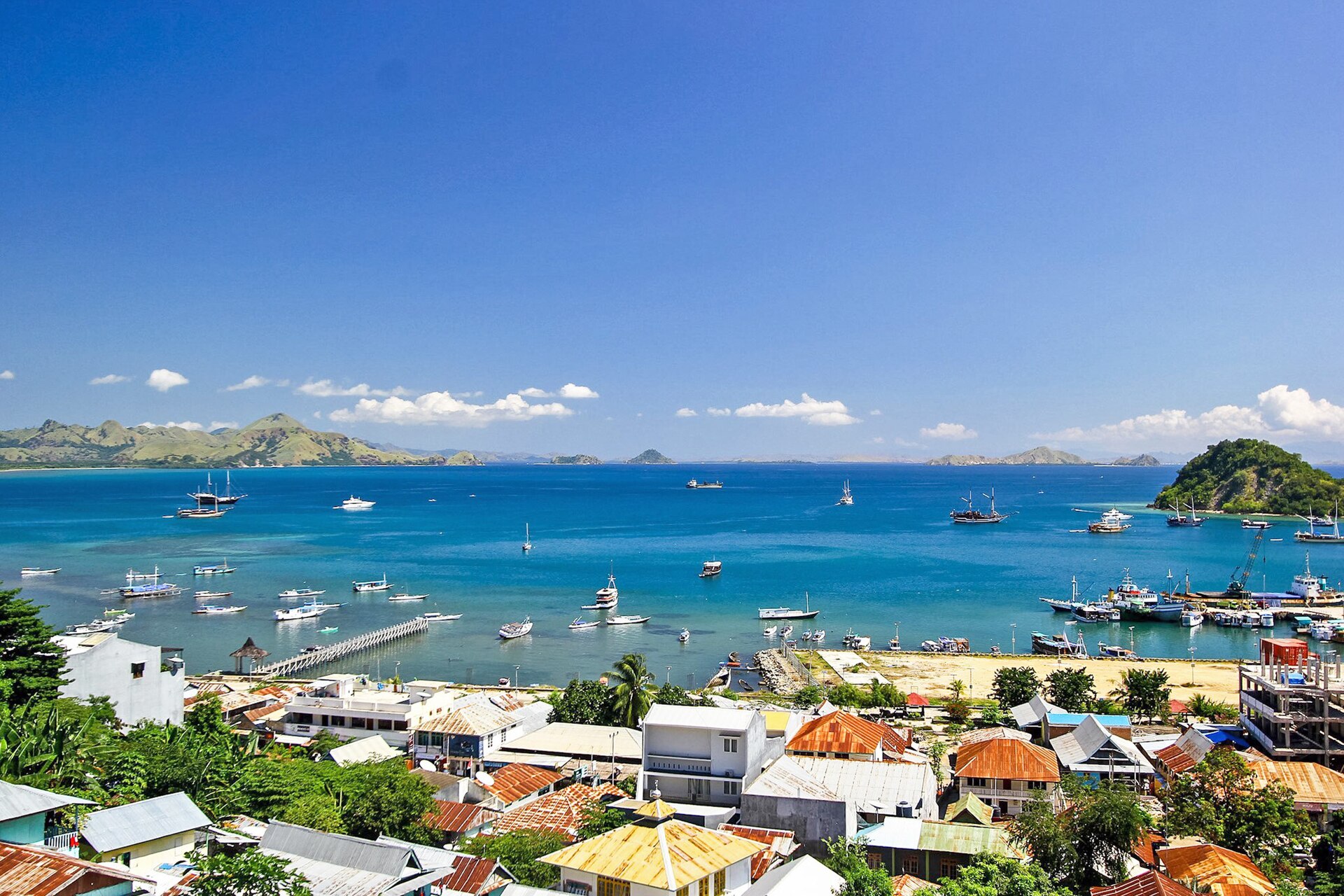
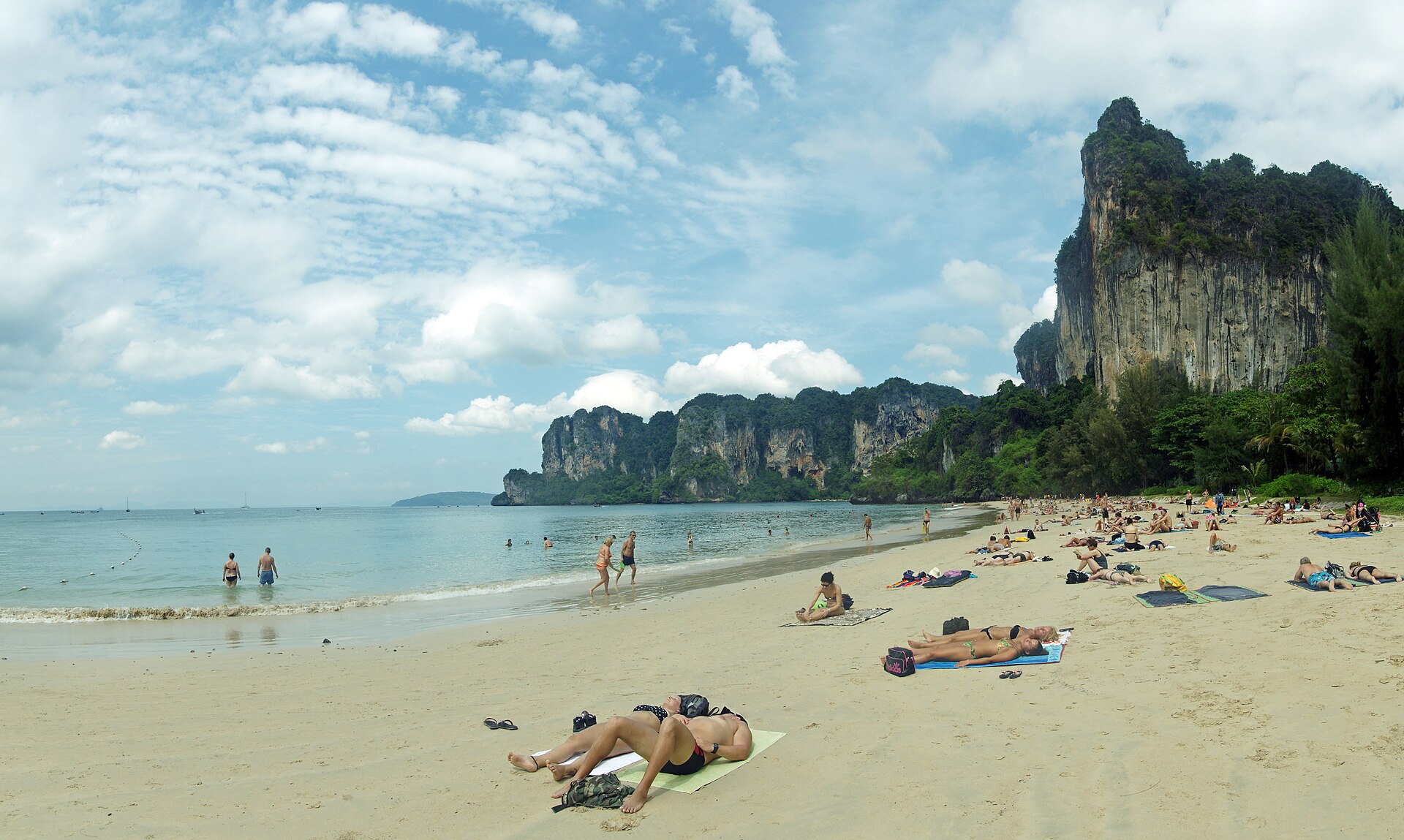
- Hero image: kallerna, licensed under CC BY-SA 3.0. The local copy was resized and compressed for web delivery; its license and credit travel with the record.
- Editorial review date: . Conditions and prices should be rechecked before travel.
Compare