
For a walking-focused Chamonix trip, start with the Rab Namche GORE-TEX if you expect to wear your shell often, or the Marmot PreCip Eco if it will spend most of the week in your pack. Run hot on climbs? Put the Outdoor Research Foray 3L or Aspire 3L at the top of your shortlist. Their unusually long ventilation zips answer a different problem than simply buying a more expensive waterproof fabric.
There isn't one jacket that wins every trip. And if your existing shell still fits over your layers, keeps the rain out and has a hood you can see through, you may already have the right one.
The valley forecast is only half the packing decision
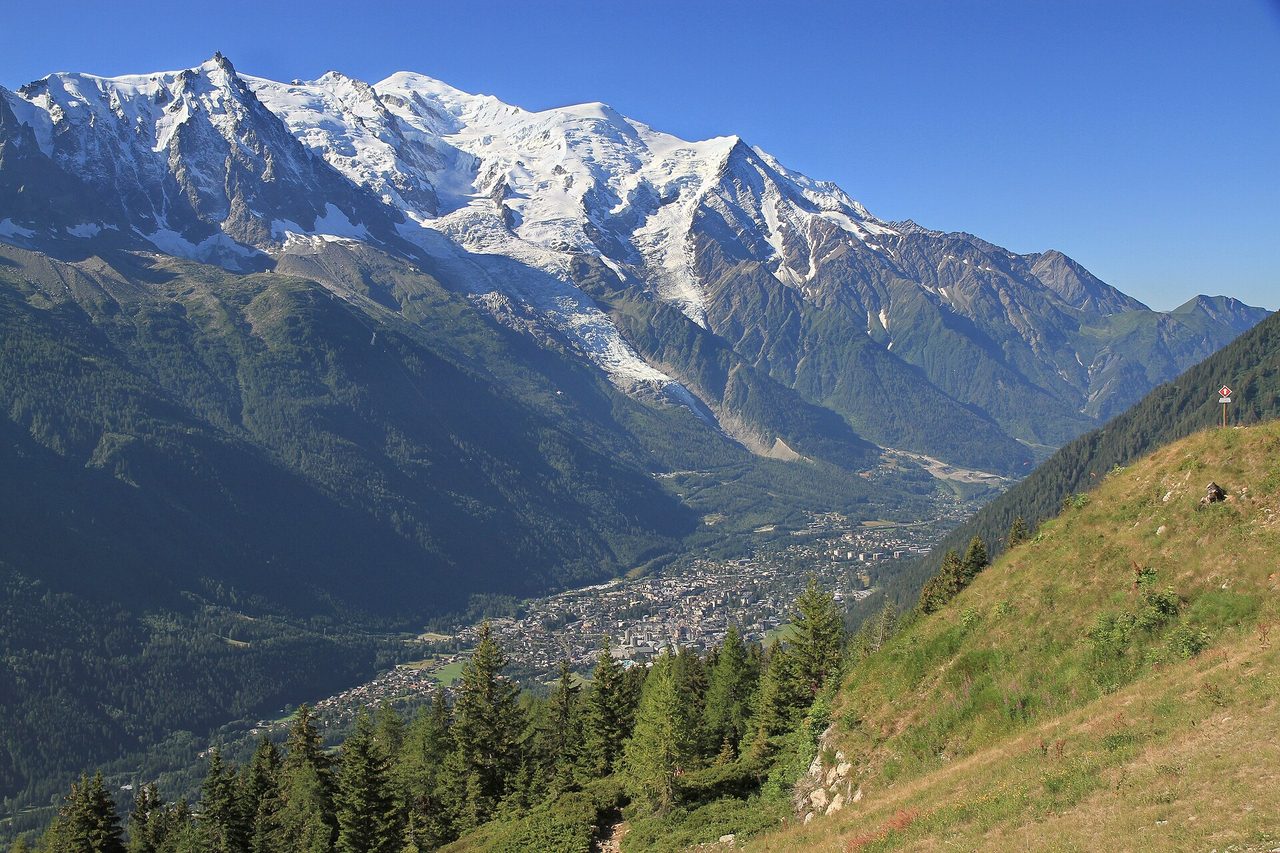
You can leave town feeling overdressed and be glad of another layer higher up. La Chamoniarde's hiking advice makes the point plainly: summer conditions in the valley can coexist with snow on a route 1,000 metres above it. Rain protection, wind protection and warmth all have jobs to do. One shell does not replace the other layers.
For an ordinary summer hike, we'd prioritize an adjustable hood, ventilation you can use while walking and enough room for a light insulating layer at a stop. For a wet multi-day walk, the lining and fit under a loaded pack matter more. For a visit to the Aiguille du Midi at 3,842 metres, take warm clothing as the tourist office recommends—even when town feels warm.
Read the mountain forecast, not just the temperature beside your accommodation. Then use our summer-versus-winter plan to decide what kind of trip you're packing for.
Find the jacket for your week
Start with the days you'll repeat, not the most dramatic photograph on the itinerary. These filters narrow our editorial shortlist; they don't certify a jacket for a particular route.
Paid links. As an Amazon Associate I earn from qualifying purchases. Our recommendations are based on published design details and trip fit, not personal wear tests. Amazon does not choose the picks.
Exact men's and women's Amazon US listings and product-photo matches checked 10 October 2026. Size, seller, stock, delivery and final price can change; we cannot confirm every size is in stock. For a trip to France, compare local delivery, import costs and return terms before ordering. Product photos load only when is enabled in Privacy.
Price references are manufacturer list prices, not live Amazon offers: PreCip Eco US$135, Minimalist Pertex US$200, Foray/Aspire 3L US$260. The other three stay unpriced because their exact listing generation or current US price isn't clear enough. A budget filter hides those unknown prices; it does not mean they cost more. Design priorities are our use-case judgments, not measured weight rankings.
What are you paying to change?
Use this as a decision table, not a performance league. We haven't run the same rain test on these jackets. Waterproof ratings and breathability figures from different tests are not a clean head-to-head comparison, so we haven't turned them into a score.
2.5-layer versus 3-layer, in plain English: both can keep rain out. A 3-layer shell has a bonded inner textile backer; a 2.5-layer design uses a lighter protective inner treatment. That changes how the inside feels and the way the garment is built—not whether you can safely walk into any weather. Venting, fit, care and the actual fabric matter too. REI's rainwear explanation is useful if you want the construction detail.
The five-minute fit check that matters more than the logo
Try the jacket over the clothes you will actually carry. For a summer walking trip, that usually means your active top plus the light warm layer you expect to wear at stops. Don't assess the shell over a T-shirt, then discover in Chamonix that it won't close over your insulation.
- Reach up and forward. The shoulders should move without pulling the hem far above your waist. Bend as if tying a boot.
- Fasten your daypack belt. Check the hem, pockets and pressure points. A pocket placement feature only helps if it works with your pack.
- Tighten the hood and turn your head. You should see sideways without staring into fabric. If you need a helmet, use that helmet for the test.
- Work the cuffs and vents. Can you adjust them with the gloves you'll take? Can you vent without unloading your pack?
- Read the exact fit chart. A men's Medium and women's Medium are not a conversion rule. Rab's women's numeric label may use a different regional system; follow measurements, not the number alone.
Our fit switch changes the exact product and photo, not just the heading. The featured sizes are examples of verified listings, not the sizes we recommend for you. If the retailer changes the model when you select another color or size, check the title again before paying.
Broader shoulders or fuller layering? Start the try-on with a regular-fit design such as the Downpour Plus 2.0. Want stretch? Try the Ozonic, but don't sacrifice room for the layer you need at a cold stop. Fit that works beats a technically “better” jacket that doesn't.
Three packing situations where the answer changes
Three summer days: lifts, a balcony walk and town. If you already own a functioning rain shell, take it. If not, the PreCip Eco is the first price comparison we'd make. Add a separate warm layer for higher lift visits. Keep the main hiking day movable; don't spend on a more technical shell just to defend a fixed bad-weather itinerary.
A walking week with several mountain days. Try the Namche first if you'll spend extended time in the shell. Try Foray/Aspire first if overheating is the more common problem. The Minimalist Pertex is the practical middle option when pack access and a lower reference price matter more than very large vents. Check current snow and trail access before planning Lac Blanc or a higher route—October is not a continuation of an August itinerary.
A mixed week with one guided rock day. Ask the guide for the clothing list before purchasing. If a general rain shell is appropriate and a helmet hood is requested, shortlist Downpour Plus 2.0 and test that combination. Keep the guide's technical equipment separate from your town-and-trail shopping. A jacket description cannot settle that equipment decision.
For any of these, rain trousers and a pack liner solve problems a jacket doesn't. If you expect hours of wet walking, protect your warm layer inside the pack and think about your lower half too. A roof, a lower route or a rest day can be the better plan. The Chamonix destination planner and season guide help put those choices into a week.
The questions that come next
Should I spend more for GORE-TEX?
Only if the complete jacket solves a problem you have. For repeated wet hiking, the Namche's construction and fit may be worth it. For a spare layer carried on dry days, the PreCip Eco may leave more money for the trip. The membrane logo alone doesn't give you better pocket access, the right hood or freedom to move.
Do I need a waterproof jacket and a warm jacket?
Yes, if your itinerary needs insulation: they do different jobs. The shell handles wind and rain; the fleece or insulated layer adds warmth. A hot valley start is not a reason to leave warmth behind for a high lift visit or an exposed stop. Pick the insulation for the season and route, then make sure the shell fits over it.
Can I use my ski jacket instead?
For a short cold lift visit, a suitable jacket you own may be entirely sensible. For steep summer walking, an insulated ski jacket can leave you carrying warmth you don't need while moving. If it is an uninsulated shell, assess its weight, hood and venting rather than rejecting it because of the ski label.
Is my old shell leaking, or does it just need care?
A soaked outer face doesn't by itself prove the waterproof membrane has failed. Sweat can make the inside damp too. Check the brand's washing and drying directions, clean it appropriately and assess its condition before buying a replacement. Peeling lining, failing seams or persistent ingress after suitable care deserve closer attention. GORE-TEX's care guidance applies to GORE-TEX garments; follow the correct instructions for other fabrics.
Should I order an older model if it's cheaper?
Possibly. Downpour Plus 2.0 can still answer the helmet-hood use case. But an old model isn't a bargain if the seller won't accept a return, the right fit has disappeared or the price approaches a more suitable current jacket. Check the exact model, seller, return window and delivery date together.
Can I get these delivered before a trip to France?
The buttons open Amazon US, not a promise of French delivery. Set the delivery address before comparing the final price. Check taxes, import charges, returns and arrival date; a local purchase may cost less overall. Order early enough to try the shell with your layers and return it if the fit doesn't work.
Why no star ratings or “tested waterproof” winner?
Because we haven't personally tested these jackets, and a marketplace rating can combine sizes, colors or different versions. This shortlist makes a narrower promise: specific products, published design details, clear tradeoffs and recommendations for the trip. We haven't invented review scores, field experiences or performance measurements.
The decision we'd make
Regular wet walking: Namche. Hot uphill approaches: Foray/Aspire 3L. Pack-friendly middle ground: Minimalist Pertex. Occasional helmet use: Downpour Plus 2.0. Stretch-first fit: Ozonic. Sensible spare shell: PreCip Eco.
Then try it on. If the hood blocks your view or the jacket binds over your layers, move to the next option. Chamonix doesn't need you to own the most expensive jacket. It needs you to bring the right layers—and leave room to change the day.
How this shortlist was checked
Reviewed 10 October 2026. Product titles and photos were matched to twelve exact men's and women's Amazon US listings through Amazon's product-data service. That service does not supply us with stock or offer data, so none of the price references above is presented as a current Amazon price. Specifications come from the linked manufacturer pages; where generations were unresolved, generation-specific measurements and claims were left out.
Chamonix advice comes from La Chamoniarde and the tourist office. Construction and care explanations use REI and GORE-TEX guidance. Picks and trip tradeoffs are Nuevo Adventure's editorial judgments, not reports of personal testing. The next scheduled editorial review is 10 April 2027; meaningful corrections can be made sooner. Our research method · About the editor.