
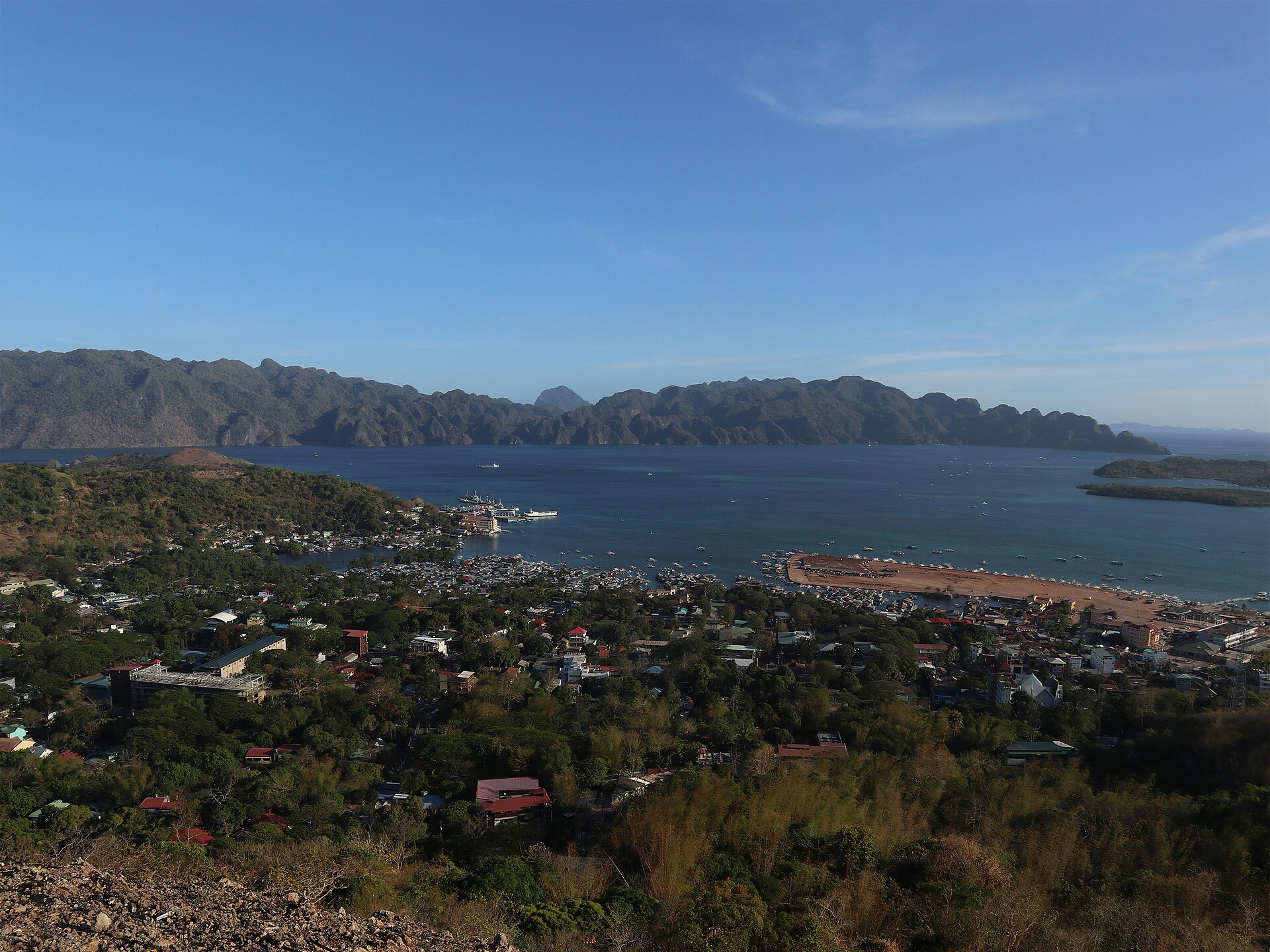
Four nights is the sweet spot for a first Coron trip. It gives certified divers two chances at the wrecks, gives everyone a proper lake-and-lagoon day, and leaves one dry, flexible day before the flight out. Three nights works when you choose one main water objective. Try to squeeze wrecks, lagoons, beaches and a departure into three mornings and the weather only has to move one boat for the whole plan to unravel.
Start with the traveler you actually are
| Your group | Build the trip around | Do not force |
|---|---|---|
| No scuba certification | A close-in island day with Kayangan Lake, Twin Lagoons and a shallow wreck or reef chosen for snorkeling. Add a beach day only if you enjoy long boat days. | A rushed scuba course just to say you entered a wreck. Skeleton Wreck can be seen from the surface; the larger WWII wrecks are a different undertaking. |
| Open Water diver | Two dive mornings with an operator who chooses depth, current and exterior route after checking your certification, logged experience and recent diving. | Penetration because a guide says the opening is wide. An overhead removes direct access to the surface and demands specific training, equipment and judgment. |
| Advanced or wreck-trained diver | Two days so the operator can match sites such as Akitsushima, Irako or other Coron Bay wrecks to conditions and the team's actual experience. | A fixed wreck checklist. Depth, visibility, current, silt and changes inside old structures can make yesterday's route the wrong one today. |
| Mixed divers and non-divers | One shared lagoon day, one separate specialist day, then a shared land or beach day before departure. | Making the non-divers sit on a dive boat all day or asking divers to trade both wreck mornings for generic island tours. |
PADI describes Skeleton Wreck as a shallow site popular with snorkelers and suitable for beginning divers. That does not make every Coron wreck beginner-friendly. Its own instructor material keeps an introductory wreck adventure dive outside the wreck, while a dedicated wreck course adds line work, penetration planning and specialized techniques. The useful question is not “Can beginners dive Coron?” It is “Which exact site and route fit this diver today?”
December through April gives the plan its best odds
Pick February or March when water time is the priority. The official Philippines tourism guide points to March through May for the clearest diving and snorkeling visibility, while Nuevo Adventure's 2021–2025 sample makes February and March the driest pair: about 42 mm and 33 mm of monthly rain. March is hotter, with typical daytime highs around 32°C, but it is a strong compromise between visibility and a reliable boat schedule.
- December and January: a comfortable first choice with typical highs near 30°C and 69–81 mm of rain in our sample. Book early around holiday travel.
- February and March: our best-balanced window. The days are dry by local standards, and official tourism guidance puts March inside the clearest underwater period.
- April and May: excellent water ambitions, harder heat. April averages about 32°C by day; rainfall rises sharply in May as the pattern begins to change.
- June through October: build in more than one movable day or choose another season. Our sample rises above 250 mm of monthly rain in June, July, August and October, and 370 mm in September.
PAGASA says the Philippine tropical-cyclone peak runs from July through October. Coron may look calm at breakfast while a wider weather system still closes boat operations or disrupts the flight and ferry network. A historical monthly wave average cannot overrule a Coast Guard, operator or local authority decision.
A four-night plan that still works when one boat moves
Arrival day: land, settle and make two short checks. The airport is on Busuanga Island; Coron Town is the operator and accommodation base, while Coron Island holds many of the famous lakes and lagoons. After the van transfer, confirm tomorrow's pickup and ask the dive shop or boat operator what has actually been running. Sunset from Mount Tapyas is a good first evening only if the heat and travel day have left you with energy.
Day one: share the close-in Coron Island day. Put Kayangan Lake, Twin Lagoons and one shallow snorkel or beach stop together. They make sense geographically and give divers and non-divers the same opening chapter. A private boat buys control over pacing and departure time; a group tour is better value but may compress each stop. Either way, ask whether masks, fins, drinking water, lunch, entrance fees and a properly fitted personal flotation device are included.
Day two: separate by ambition. Certified divers take the first wreck day. Everyone else chooses a beach-and-snorkel day or stays close to town for Mount Tapyas and Maquinit Hot Springs. This is the day to avoid compromise: the best wreck route should not be shortened to match a sightseeing boat, and a non-diver should not spend seven hours watching tanks change.
Day three: repeat what earned another day—or use the weather buffer. Divers can make a second site plan with the shop. Non-divers can take the longer island day only if day one confirmed they enjoy the boat time. If weather moved either booking, this is the recovery slot.
Departure day: stay dry. After multiple dives or multiple diving days, Divers Alert Network recommends at least an 18-hour preflight surface interval, and longer reduces risk further. We would make the entire final day scuba-free: breakfast, town, the hot springs or a gentle walk, then fly the following morning. Anyone with decompression-sickness symptoms should not fly and needs medical advice.
Choose the operator before you choose the wreck
The Philippine Commission on Sports Scuba Diving publishes accredited dive establishments and individuals. Start there, then have a real conversation. A polished photo feed cannot answer these questions:
- Is the dive establishment and the guide currently accredited by PCSSD?
- Which exact wrecks are realistic for my certification and recent logged dives?
- Will the route remain outside the wreck, enter a swim-through or involve true overhead penetration?
- What maximum depth, gas plan and guide-to-diver ratio are you proposing?
- Is emergency oxygen on the boat, who is trained to use it and what is the evacuation plan?
- How do you change the day for low visibility, current, weather or a less-confident diver?
- When was the rental regulator, buoyancy compensator and cylinder last inspected, and can I complete a fit and function check before departure?
- What is refundable if the safe site plan changes or boats are suspended?
A good operator may steer you away from the famous wreck on your list. That is useful judgment, not a failed booking.
Pack for wet transfers, not a private dive locker
Rent the life-support system locally unless you already travel with familiar, serviced scuba equipment. A first trip does not need a mail-order regulator, buoyancy compensator or dive computer chosen from a carousel. The three pieces below solve simpler problems: sun and abrasion, wet-gear separation and keeping a dry change dry.
Three pieces that earn the luggage space
Personal gear for Coron boat days
These are exact, established products for the jobs they do. Fit and local availability still matter more than forcing an online order into the trip.
Paid links. As an Amazon Associate I earn from qualifying purchases. We chose these exact products for this plan; Amazon does not determine the picks. Check size and availability before buying.
The exact listings and product images were verified on Amazon US on 23 August 2026. Buy or rent locally when fit, servicing or returns make more sense.
SCUBAPRO UPF 50 long-sleeve rash guard
Why this pick: A fit-specific layer from a major dive-equipment maker gives sun and abrasion coverage without pretending to replace the exposure protection selected for the water temperature.
Where it earns space: Under rental gear, during surface intervals and on exposed lagoon boats. Ask the dive shop whether the day's water and thermoclines call for more insulation.
See this pick on AmazonMares Cruise Mesh dive bag
Why this pick: A self-draining mesh duffel keeps a personal mask, fins and exposure layer together without sealing wet gear into the main travel bag.
Where it earns space: Repeated dive days and the walk between the shop, boat and room. It is unnecessary if you rent everything and the operator manages the kit.
See this pick on AmazonSea to Summit Big River 8 L dry bag
Why this pick: The abrasion-resistant roll-top construction is a better match for repeated wooden-boat transfers than a featherweight phone pouch.
Where it earns space: A dry shirt, small towel and travel essentials on lagoon days. It does not make electronics safe for submersion; keep the bag closed and secured from going overboard.
See this pick on AmazonBook the right local operator, not a vague activity card
We have not found a current Viator listing that names both Coron and a certification-appropriate wreck or a clearly defined lake-and-lagoon route well enough to recommend here. For now, compare PCSSD-accredited dive shops and ask the boat questions above. We will add a booking option when an exact listing tells you enough to know which day it actually solves.
The simple version
If you are not certified, give Coron one great lagoon day and one optional beach or snorkeling day. If wrecks are the reason you are flying here, stay four nights and protect two dive mornings. If the group is mixed, share the first boat day, split for one specialist day, then come back together for the dry day before departure.
Open the Coron destination guide for the month-by-month climate, mapped wreck and lagoon areas, town budget and wider logistics. Read how to use wind, waves and weather without treating a forecast as clearance before locking every boat day into one sequence.