
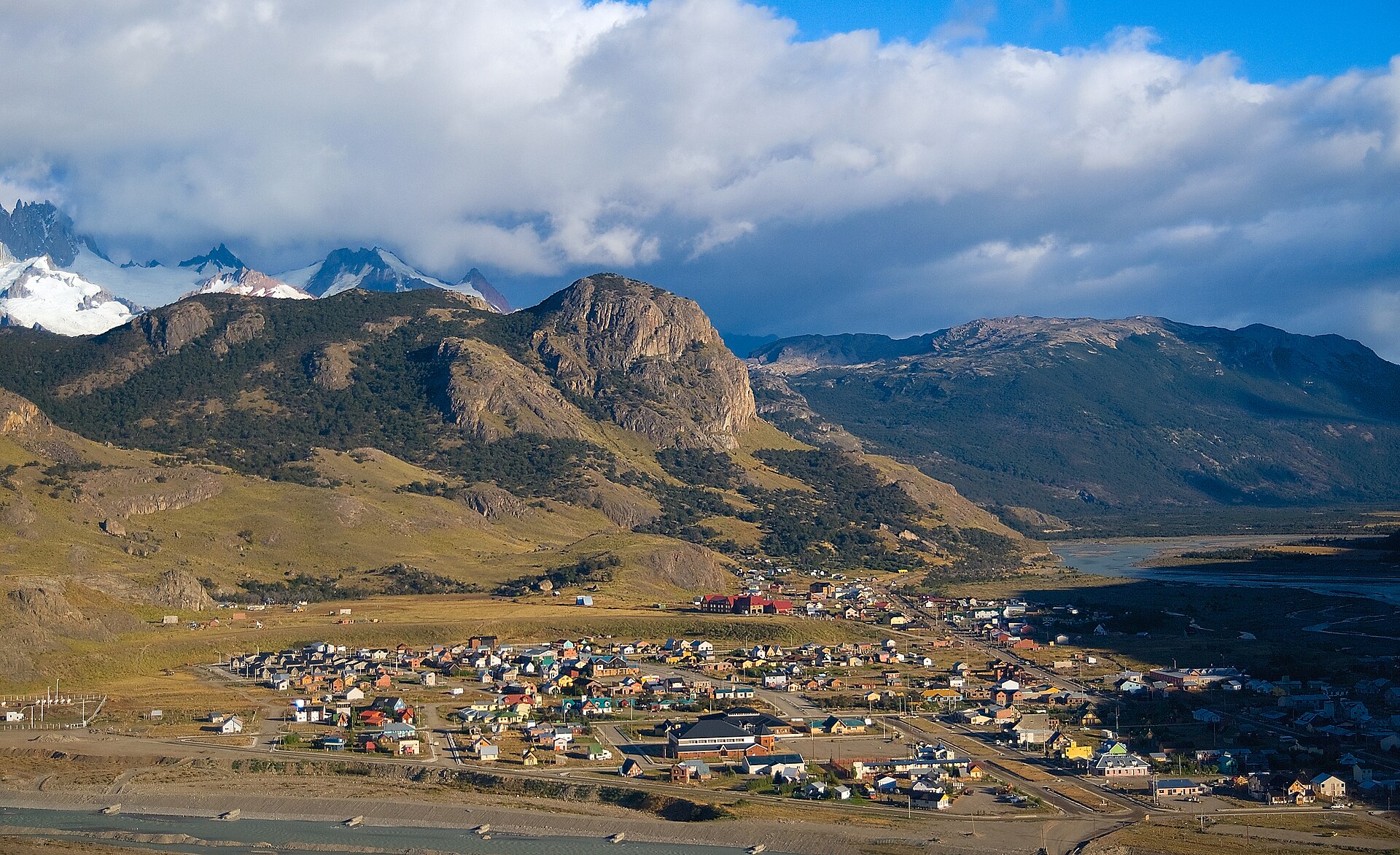
Start with your overnight plan, not a faster boil time. If you are walking from town and returning to a bed each evening, a packed lunch and a hot drink prepared before departure may make a new stove unnecessary.
For an overnight hike with a pot you like, start with the SOTO WindMaster 4Flex. If you need both stove and cookware, compare the Amicus with New River Pot before paying for an integrated system. If nearly every meal starts by pouring hot water into a pouch, the Jetboil Flash is more relevant; the MSR WindBurner offers a different, wind-focused burner-and-pot design with a larger carried system.
Those are editorial starting points, not weather guarantees. A working gas stove you already own may be enough. Borrow or hire a suitable setup if this is a one-off overnight, and rehearse a whole meal with it before leaving town. Replacing a perfectly usable burner does not solve a missing campsite reservation or an incompatible fuel canister.
Book the camp before buying its kitchen
The national park's current visitor guidance permits gas stoves only in authorized camping areas under supervision. It does not make a stove permission to cook at a viewpoint. Confirm current access and restrictions with park staff before leaving town.
Capri, Poincenot and De Agostini require reservations. The campsite manager says to bring your equipment and sufficient gas; do not count on hiring a stove at the campsite. Ask a town rental provider about a complete compatible kit before deciding whether ownership is worthwhile. Check the current campsite charge and park-entry arrangements separately rather than relying on old descriptions of free camping.
Find the setup that matches dinner
Choose your main priority, then narrow by cookware and features. “Cooking” favors flexible standalone burners; “mostly boiling” favors the integrated systems. All six can heat water. “Wind priority” is a design-led shortlist, not a tested ranking or permission to cook in strong gusts.
Paid links. As an Amazon Associate I earn from qualifying purchases. Amazon does not choose these recommendations.
Exact Amazon US identities and photos checked 26 October 2026. A title-and-image match does not verify live stock, price, delivery, seller authorization or every variant. These are US listings, not Argentine stock promises. Check the selected bundle and return terms before ordering. Photos require only consent; analytics and advertising may stay off.
Price bands use manufacturer US references, not Amazon offers or a complete trip cost; fuel and missing cookware cost extra. An unverified feature cannot satisfy an active feature filter. Pot setup describes this exact purchase, not every accessory a brand sells. All six are ungendered equipment; choose usable pot volume and stability, not a clothing-size label.
Weigh the kitchen, not just the burner
A bare burner and a pot-inclusive system are not comparable weights. Put your stove, pot, lid, support or stabilizer, protective bag, permitted ignition backup and fuel on the same packing list. A headline saving disappears quickly when the supposedly lighter option needs cookware you have not counted.
We have not compared these under one wind, water-temperature or fuel-consumption test. Manufacturer boil times use different test conditions, so there is no stopwatch league here. The practical upgrade is a feature you will use: a compatible pot, simpler packing, a regulator or a wind-focused burner system—not a promise of a particular fuel saving in Patagonia.
Fit means pot, portion and fuel connection
Bring the pot to the decision. Check its base, diameter, loaded weight and handle clearance against the exact stove manual. A mug that balances on a burner in the kitchen is not automatically a stable outdoor combination. The PocketRocket Deluxe manual, for example, limits cookware to 20.3cm diameter and 12.7cm height; those are not limits to apply to every stove.
One litre is a vessel size, not a promise of one litre of safe boiling capacity. Respect the marked maximum fill and the manual. Allow room for stirring, expansion and lifting without spilling. For two people, work through the actual dinner sequence: boiling in batches may be fine for pouch meals but frustrating for a shared pasta dinner. If that needs a larger pot, reconsider the burner and its permitted load together.
Do not buy fuel by the word “camping” alone. The connection, gas mixture and canister size must all meet your stove's instructions. Threaded self-sealing backpacking cartridges are not interchangeable with every pierceable, aerosol-style or clip-on cartridge. The Primus listing here is the standard Essential Trail, not the separate Duo version. Do not improvise an adapter or refill a disposable canister.
Before travel, ask a local shop or rental provider whether the exact compatible fuel is available and how much notice they need. Then check the physical match and condition before setting out. This research did not establish a live stock guarantee for any El Chaltén fuel shop. Bring the manual or save it offline; a brand name alone is not enough for a shop to identify the right connection.
Wind resistance is not permission to cook anywhere
Use the stove outdoors, on a stable surface in the permitted camping area, away from combustibles and with the clearances in its manual. Never cook in a tent, vestibule or other enclosed shelter: carbon monoxide and fire are real hazards. If conditions do not allow safe outdoor cooking, use a no-cook meal and change the plan.
Do not wrap a canister-top stove in foil to keep the flame alive. The current PocketRocket Deluxe manual explicitly forbids windscreens because overheating the cartridge can be dangerous. An accessory approved for one system is not approval for another. Follow your exact model's instructions rather than copying a windscreen trick.
A pressure regulator can help a compatible stove maintain output as conditions change; it does not make fuel immune to cold, fix an empty cartridge or turn this shortlist into winter-expedition advice. Carry a permitted backup ignition method even with a built-in igniter, and practice safe lighting before the walk. Never use a flame to look for a leak. Stop using equipment with a suspected leak or damaged seal and have it checked.
The overnight plan that makes the purchase useful
- Set the route and reserve the camp. Use the current camping arrangements and confirm park entry and access before buying for an assumed overnight. Our El Chaltén planner helps separate a town-based hiking week from a remote trip.
- Choose meals before fuel quantity. Count drinks, water-heating batches and actual cooking time. Rehearse those meals with the same stove and pot. Manufacturer litres-per-canister figures are not a guaranteed field allowance; cold, wind, water temperature and simmering change consumption. Plan a reserve and no-cook food rather than relying on one universal canister-size recommendation.
- Buy fuel after the flight, before the trail. Argentina's airport-security guidance prohibits gases and fuels in both cabin and hold baggage. Confirm the rules for every airline and departure country, including the clean stove itself and any ignition equipment. For US departures, the FAA's outdoor-equipment guidance says residual fuel or vapour can make equipment unacceptable, and some airlines reject previously fueled equipment even after cleaning.
- Check the current forecast and ranger advice. APN's season overview warns of intense summer winds and low temperatures and snow from May to October. A recommended visiting season is not a forecast for your camp. The current activity rules also distinguish remote/climbing registration and winter trail registration from ordinary camp booking.
- Pack out the kitchen's leftovers. Bring all rubbish back to town, including spent cartridges for appropriate local disposal. Ask how to dispose of them; do not leave unwanted fuel at a campsite or pack it for the return flight. Let equipment cool and follow its manual before disconnecting or packing.
If you are comparing an overnight here with a supported walk elsewhere in Patagonia, start with our W trek versus day-trip guide. A meal-included booking can change whether carrying a kitchen is useful at all. Do not transfer one park's cooking rules to the other.
The buying questions that come next
Should a beginner buy the cheapest burner?
Only after counting the rest of the kit. A lower-priced bare burner is less useful if you still need a pot, lid and a way to light it. A compatible bundle can simplify a first purchase. Whatever you choose, practice one complete meal outdoors, including packing the cold kit afterward. Price does not replace that rehearsal.
Can I keep my old stove?
Yes, if it is the permitted fuel type, in sound condition, compatible with available fuel and your cookware, and you know how to use it safely. Inspect seals and supports as directed by its maker and check the controls before the trip. A worn seal, sticking valve or unstable support deserves service or replacement—not an optimistic test at camp.
Is the newest Flash the same as an older Flash?
No. The linked 2025-generation FLCB3 has rotary ignition. Check the exact model when selecting a colour or bundle. Its Pot Support 2.0 accessory compatibility is not a reason to assume every older support or pot will work. Do not pay for a newer generation based on a photograph of an older one.
Is a built-in igniter worth paying for?
It is convenient, especially if you dislike handling a separate lighter every time. It is still another component that can fail. Buy it for convenience, not as a reason to omit a lawful, suitable backup or to skip reading the lighting procedure.
How do I care for it between trips?
Let the stove cool, disconnect and store it as its manual directs, and keep the connection protected from dirt. Clean cookware with the maker's recommended method and dry the kit before storage. Do not poke or modify jets, valves or safety parts as an improvised fix; seek the correct service advice. Confirm replacement-part availability before assuming an unfamiliar bargain is repairable.
Can I buy these in Argentina from the links?
The links open Amazon US. They do not establish Argentine stock, import eligibility, delivery timing or warranty coverage. Compare final shipping, taxes, returns and local rental or retail options. Buy early enough to check the actual bundle and cookware fit. A lower advertised price is not a saving if it arrives after your departure.
Why no single “best in wind” score?
We have not personally tested these stoves. Published comparisons can reveal useful tradeoffs, but their pots, fuels and weather do not reproduce your campsite. Our picks use exact product specifications and a practical meal-and-kit decision; they are not an invented test result or a guarantee of safe operation in a gust.
How this shortlist was checked
Checked 26 October 2026 against six exact Amazon US listing identities and photos, manufacturer specifications and instructions, Argentina's national-park and airport-security guidance, and the campsite manager. Titles and photos establish identity, not live stock or offers. Conflicting or incomplete weight information is labelled rather than converted into a false comparison. Current APN web guidance on campsite-only cooking takes precedence here over older, broader route information.
The recommendations are Nuevo Adventure's editorial judgments, not reports of hands-on testing. No directly useful El Chaltén activity was present in our verified Viator inventory, so no tour block was added. Next scheduled review: 26 April 2027; material corrections can happen sooner. Research method · About the editor.