
For an occasional guided overnight, our starting buy is the Petzl Tikka 350. It is straightforward, takes replaceable AAA batteries and does not make you pay for features you may never use. For repeated travel, we'd move to the Actik Core's rechargeable battery with an AAA fallback. If every gram matters more than changing batteries on the trail, look at the Nitecore NU25 MCT UL.
Ask what is supplied before spending anything
For one guided overnight, a suitable loan headlamp can be the sensible choice. Ask the operator whether it is included, how its batteries are prepared and what happens if it fails. Collect it before departure, not when the group is already leaving camp in the dark. Check the strap, tilt, switch and walking beam yourself.
There is a real saving here: OX Expeditions' terms list loaner headlamps at no extra cost. That is one operator's provision, not a blanket promise. A confirmed, functioning loan lamp is more useful than a cheap purchase that arrives after your flight.
Buy when you want a lamp you already know how to use, or when more night walks and camping trips are part of your travels. Keep the one you own if it is sound, comfortable over your warm hat and has enough usable light and battery reserve for the operator's plan. A bigger maximum-output number is not, by itself, a reason to replace it.
A phone torch is an awkward main light here: it occupies a hand you may need for balance or a pole and spends the same battery you want for communication. Treat it as an extra option, not your plan for following the group uphill.
What matters on this particular walk
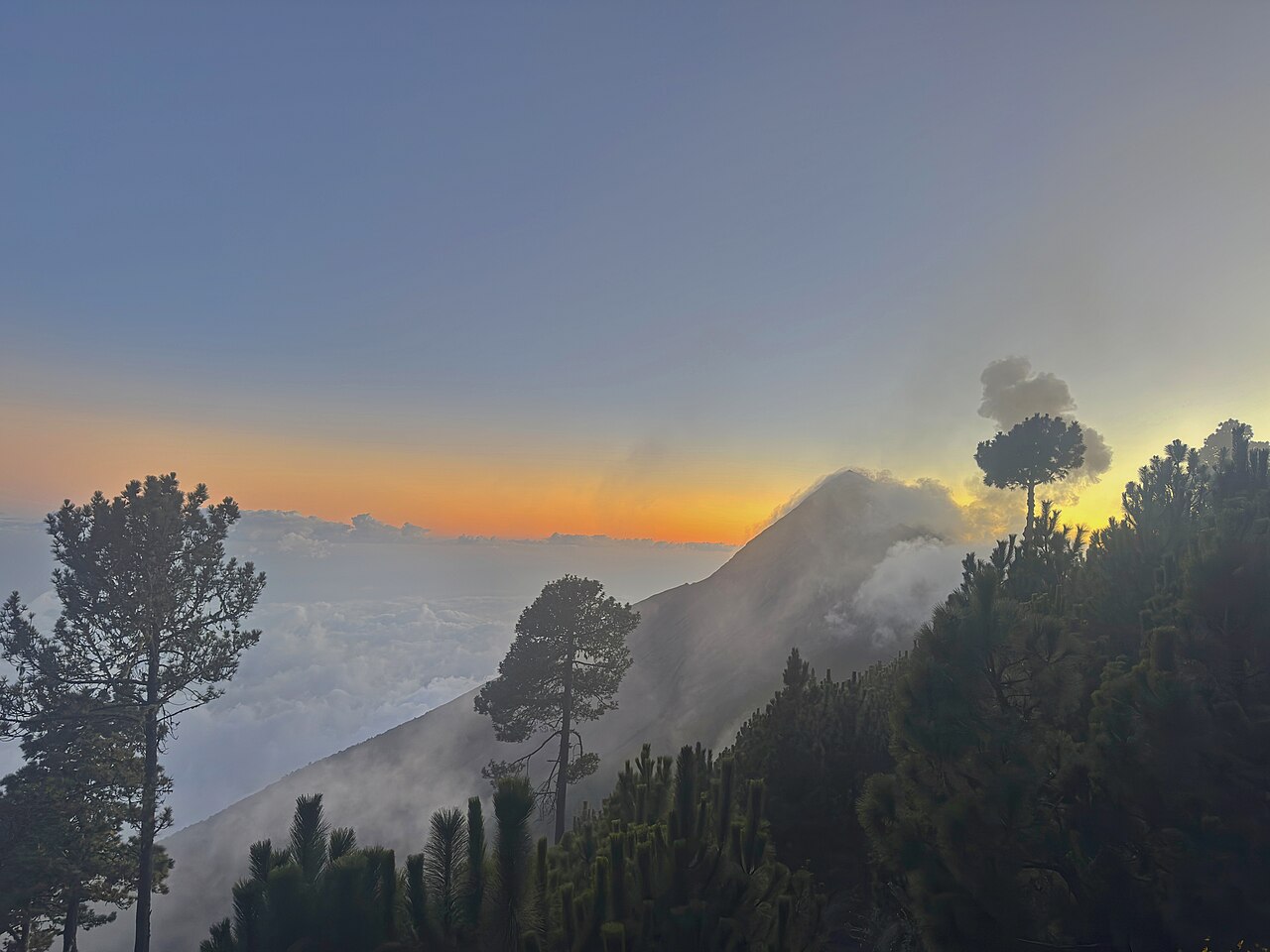
Acatenango is a cold mountain outing, not a stroll through warm Antigua. CONAP puts the summit at 3,976 metres and warns of low temperatures and strong wind. OX's overnight plan lists a pre-dawn summit departure around 4:30am, varying with the season. Your light also has work to do before that: finding a glove, visiting the camp toilet and sorting a pack without waking everyone.
Choose a usable walking beam, controls you can manage in gloves and a power plan you can explain without opening a manual. We'd spend on those before chasing 700 lumens. A bright spot far ahead does not automatically give your feet a comfortable spread of light.
Six headlamps, six reasons to choose
The priorities below are our editorial shortlists, not safety ratings. Combine one with your power preference and budget to narrow the field. Every choice still needs a pre-trip check over your own hat.
Paid links. As an Amazon Associate I earn from qualifying purchases. Amazon does not choose these recommendations.
Exact Amazon US listings and product photos checked 15 October 2026. That confirms identity, not continuing stock, price or delivery to Guatemala. Several pages restricted delivery to the address selected during checking; confirm your own destination and seller terms. Reference prices are from manufacturers or their US distributor, not live Amazon offers. Photos need only consent; analytics and advertising can stay off.
An active budget filter excludes Spot 400 and Storm 500-R because their current exact-model manufacturer prices remain unconfirmed. Fenix's reference is for the manufacturer's lamp, not the Amazon organizer bundle. Unknown prices are not treated as bargains. Water ratings describe enclosure protection, not whether conditions are safe to hike.
Compare the power plan before the peak output
The longest advertised burn time usually belongs to a low mode, not the brightest one. Even a mode-specific runtime is not necessarily constant brightness: Petzl explains that FL1 burn time runs until output falls to 10% of its starting level. That is why we have not put a tempting all-night duration beside each maximum lumen figure.
Pack a battery plan you can actually use
Paying more does not automatically buy longer runtime. Petzl's linked performance tables give the Tikka's STANDARD mode (100 lumens, AAA) a 12-hour FL1 burn time. Actik Core's STANDARD mode is also 100 lumens: 7 hours with CORE, or 10 hours with AAA. Those are manufacturer laboratory benchmarks with declining-output allowance, not hours of constant 100-lumen light or cold-mountain guarantees. Choose the Actik for its mixed beam and rechargeable flexibility; do not buy it assuming the higher price means longer battery life. Ask your operator how long you need light, then allow reserve beyond that plan.
Finish charging in Antigua. Do not build your plan around a socket at camp. Bring the right cable: current Actik Core, MCT UL and HM50R V2 use USB-C; this Storm uses micro-USB. Tikka and Spot do not become USB-chargeable simply because an optional rechargeable battery exists.
For a user-replaceable system, carry the manufacturer's compatible spare batteries protected from short circuits and moisture. Learn the compartment before the trip. With a built-in battery, take a genuinely independent backup light: a power bank can recharge a working lamp, but it cannot repair a broken switch or instantly replace a flat cell while the group moves.
Cold can reduce available battery performance. Keep spares dry and protected, follow each product's temperature instructions, and charge only in suitable dry conditions. Do not connect a damp charging port or try to heat a battery over a stove. None of these recommendations is a tested cold-runtime guarantee.
Try the lamp with the clothes you will climb in
Wear your beanie and hood, then adjust the headband. Look down at your feet and tilt the lamp without letting the hat cover the beam. Walk stairs in a safe familiar place: if the housing slips or you have to overtighten the strap, try another fit before the return window closes. We have not verified head-circumference ranges; a one-size label cannot promise a comfortable fit over your own layers.
Now put on gloves. Turn the lamp on, find useful white light, switch to low red, lock it and unlock it again. A control sequence that is irritating in your room will not become easier at 4am. Use low red for shared camp tasks when sufficient; choose appropriate white light to see trail footing rather than treating red as a hiking requirement.
Give the overnight a simple lighting routine
- At the Antigua briefing: confirm the permitted route, expected hours walking in darkness and what the operator supplies. Test your own or loan lamp, then keep the backup somewhere accessible.
- Before sunset at camp: find the lamp, check its battery and put gloves beside it. Don't bury either under the sleeping bag or discover the wrong cable when you are already cold.
- Before the summit departure: check the beam and fit again, follow the guide's decision on conditions, and keep enough reserve for a slower descent or delay. Do not press on with poor visibility just because the lamp has a brighter setting.
- Back indoors: wipe away dirt, dry the lamp and headband as the manufacturer directs, and let the charging port dry before connecting it. Check seals and battery contacts before the next trip.
OX describes May–October as the rainy season; its mountain guidance also warns of temperatures below freezing. These are planning conditions, not a forecast for your date. In drier months the pre-dawn climb still needs warm layers and lighting. In wetter weather, enclosure protection helps your equipment but does not make volcanic hazards, storms or restricted trails acceptable. For the full base, timing and turn-back decision, use our Acatenango overnight versus day-hike guide and Antigua Guatemala destination page.
Questions worth settling before you order
Do I need 600 or 700 lumens for Acatenango?
Not as an automatic buying rule. We include the simpler Tikka because a useful beam, familiar controls and reliable power matter more than the biggest peak number for a guided walking trip. If your current lamp gives you inadequate footing visibility, arrange a better one before departure; do not count on another person's beam.
Which is better: AAA or rechargeable?
AAA is convenient if you want an uncomplicated spare set. Rechargeable is appealing for repeated use, provided you reliably charge before leaving. Actik Core and Spot offer both routes with different included equipment; Storm and Nitecore do not accept a fresh AAA set. Choose the routine you will actually follow.
Should I buy a cheap spare or a power bank?
They solve different failures. A compatible spare battery helps when a replaceable cell is empty. A power bank helps recharge compatible equipment when you can stop and charge safely. A second functioning light also covers a failed primary lamp. Agree the backup plan with your operator rather than assuming one group spare is always nearby.
Are the higher water ratings worth paying for?
They are useful if this purchase will also serve wet trips, but no rating makes a lamp maintenance-free. A higher IP number does not measure glove comfort, battery reserve or suitability for today's trail. Keep your whole kit dry and follow the exact manufacturer's seal and drying instructions.
Will these Amazon links deliver before I leave?
We cannot promise that. They are exact US listings, not verified Guatemalan stock or delivery dates. Check the selected model, seller, delivery address and return terms before paying. Leave time for a fit and charging check; for an imminent departure, a confirmed operator loan may solve the problem more reliably.
What would we spend extra on first?
A power system you can maintain and a fit you like. For repeated travel, Actik's included removable CORE is a practical upgrade; for gram-counting, MCT UL's lower weight is tangible. Extra colored modes or turbo output are not reasons by themselves to buy above your budget.
How we chose—and where the facts come from
These are editorial recommendations based on exact listing identities, manufacturer specifications and the demands of the trip—not personal field tests. We checked model codes, matched product photos and separated charging generations. We did not establish a reliable recent review consensus for every exact version, so there are no invented ratings, durability scores or cold-weather test results. Published prices are reference points, not Amazon offers.
Product sources are linked beside each pick. The destination and operating context comes from CONAP's Acatenango information, OX's overnight information sheet, its linked loan-equipment terms, and the municipal and CONRED sources above. Equipment cannot grant access or replace a guide's safety decision.
For our wider approach, read how we research. This guide was checked on 15 October 2026; the next scheduled editorial review is 15 April 2027.