
For a first Coron island-hopping day, we'd start with the Earth Pak Original 20L. It gives a dry change and towel some breathing room, with a shoulder strap included. Pack very little and expect more trips on the water? Consider the compact Sea to Summit Big River 8L, with its lash points and replaceable buckle. Already have a comfortable daypack? Put a Lightweight 13L inside it instead of buying a second backpack.
A dry bag has two jobs on this trip: keep your spare things away from spray and wet surfaces, and let you move between the boat and shore without juggling loose belongings. Those jobs need different features. Tougher fabric helps on a boat; a comfortable strap helps on land. Neither turns an ordinary roll-top into a diving case.
Already have a sound dry bag? Check the coating, seams and buckle, pack your actual day kit and leave enough room to close it properly. If it carries comfortably and suits the exposure you expect, keep it. A second bag is useful only if it solves a real problem—such as separating wet swimwear from the shirt you want dry.
Start with your towel, not the litre label
Lay out what must stay dry: a change of clothes, compact towel, any medicine, and the small valuables you genuinely need. Then add the space occupied by their protective cases. A thick hotel towel can change the whole decision. So can packing for two people.
- 8–13 litres: our starting range for one light packer with a compact towel and dry change. Not a promise that your clothes, lunch, camera and snorkel kit will all fit.
- 20 litres: the easier starting point if you don't travel ultralight. You can leave unused space; you cannot make a proper roll-top seal after stuffing the bag to its lip.
- 30–35 litres: consider this for a shared load or bulkier towels. Choose a backpack if you will carry that weight any distance. It is a lot of bag for one shirt and a phone.
These are packing suggestions, not measured load tests. Different closures use space differently. Before removing tags, pack the actual kit, close the bag as instructed and try carrying it around the house. Check that a shoulder strap reaches comfortably across your body without leaving the bag bouncing against your legs. For a backpack, check strap spacing and belt position under the real load; there is no verified torso-length range here.
Find the bag that fits your day
Filter by the job you want the bag to do, then by carrying style and budget. The trip categories are our recommendations, not capacity guarantees. Every bag below has limits; none is a substitute for a life jacket or a diving housing.
Paid links. As an Amazon Associate I earn from qualifying purchases. Amazon does not choose these recommendations.
Exact Amazon US listings and photos checked 14 October 2026. This is not a promise of current stock, price, every size or delivery to the Philippines. Prices below are manufacturer US references, not live Amazon offers. Photos load only when you enable ; analytics and advertising can stay off.
All five have a checked manufacturer US price reference for the listed size. During Amazon checks, Big River and Lightweight showed a restriction for the selected delivery location; confirm your own address before choosing either. A hand-carry bag may accept an optional strap, but that does not mean one is included.
The differences that should decide it
Our decision: Original for an uncomplicated first purchase; Lightweight if your existing backpack is comfortable; Big River for a genuinely small kit that will see repeated use. Move to Summit for carrying a shared load, or Discovery for a roomier welded bag—not because either is automatically “better” for everyone.
Spend on the protection system, not just thicker fabric
A tough bag can still leak through a poorly closed mouth. It can also be opened at exactly the wrong moment. If you want your phone handy for photographs, keep it in a separate, correctly sized waterproof case, then put that inside the main bag for transfers. Test the empty case according to its instructions before trusting it. A phone's own water-resistance claim is not a reason to expose it deliberately to salt water.
For an expensive camera, start with the consequence of failure. Sea to Summit's electronics guidance recommends two protective layers and points toward an O-ring hard case when protection matters most. Check the camera with its lens attached against the opening and padded interior, not merely the bag's litre figure. Padding takes up space; a soft waterproof bag does not provide hard-case impact protection.
Our least expensive camera-protection recommendation is often to leave the main camera safely at your accommodation and bring only the device you can protect properly. A lagoon day does not require every lens you own.
A simple packing plan for a Coron boat day
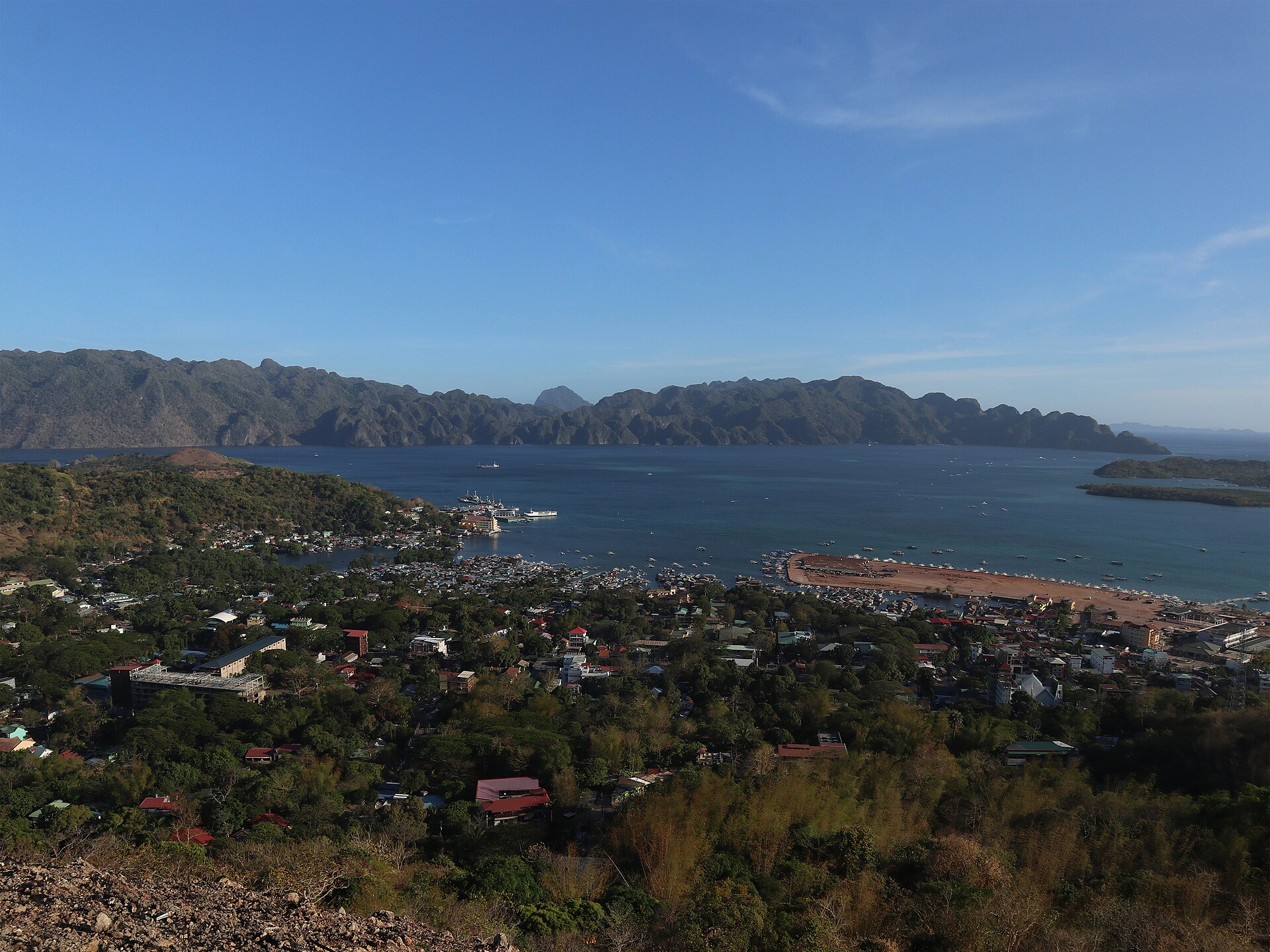
Use Coron Town on Busuanga as your base and pack a separate day bag for the island excursion. Our wreck-diving versus island-hopping guide helps decide which days belong on the water; this bag choice does not need to become another itinerary.
- The night before: put dry clothes and towel together, protect electronics separately, and set aside another pouch for wet swimwear. Confirm whether the operator supplies towels and where bags stay during swimming stops; that can save you buying unnecessary capacity.
- Before boarding: close the bag on dry ground. Keep the mouth free of sand, trapped clothing and straps. Put drinking water where a leaking bottle cannot soak the dry change from inside.
- At each stop: ask the crew where to stow the bag. Keep walking routes and access clear. Carry only what you need ashore; don't tow a roll-top bag through the lagoon or tie a bag to your body in the water.
- Back at your room: remove wet gear immediately, rinse salt and sand from the outside, and let the inside dry fully before closing it for tomorrow. Keep the dry shirt out of the wet-gear compartment.
Season changes the odds of rain, not the need to pack sensibly. PAGASA's 1991–2020 Coron station normals show a much drier January–April than June–October. Those are historical averages, not a forecast. Spray and wet boat surfaces remain possible in the dry season. In wetter months, protect a movable boat day in your schedule instead of treating a bigger bag as permission to go out in poor conditions.
Follow the operator's current departure decision, site rules and required life-jacket instructions. A favorable monthly climate table is not clearance to sail. Check PAGASA's gale-warning page, including the bulletin's issue time and covered areas, alongside local instructions; our wind, waves and tides guide explains why one calm-looking number cannot settle the decision.
The questions worth settling before you order
Can I use my normal backpack?
Yes, with a suitable inner dry bag, if you accept that the backpack itself can become wet. That is a sensible choice when carrying comfort matters more than wiping the whole bag dry. Put all vulnerable contents inside the closed inner bag; the backpack's pockets do not inherit its protection.
Will the bag float if it falls overboard?
Do not count on it. Buoyancy depends on the load and trapped air, and floating does not prove that water stayed out. Have the crew show you a suitable stowage point. Never use a dry bag as personal flotation or jump in after one.
How many times should I roll the top?
Use the instructions for the exact bag, not a universal internet rule. Flatten and align the closure, leave enough empty neck to make the required rolls, then buckle it as designed. A crumpled top with only one hurried fold is not a completed seal. Check it again after taking something out.
Can a dry bag hold wet swimwear?
It can separate wet things from the rest of your luggage, but water already inside remains inside. Don't put wet swimwear beside your dry clothes and expect the fabric to sort them out. Empty and dry that wet-gear bag promptly; it is not a laundry hamper for the rest of the trip.
What should I check on Amazon?
The exact model, capacity, included strap or liner, seller, return terms and delivery date to your own address. The links here go to Amazon US. A matched listing does not establish Philippine stock, import charges or arrival before your flight. Check a changed colour carefully: it may open a different size or generation. Buy early enough to pack and inspect the bag before travel.
What actually justifies paying more?
A carrying system you need, a closure suited to the exposure, stronger construction for repeated use, or repairable parts. Not a bigger litre number by itself. For one ordinary tour day with clothes rather than costly equipment, a modest bag that closes correctly can be the better purchase.
How do I keep the coating and closure in good shape?
Keep sand out of the opening, clean dirt with a soapy sponge, rinse and air-dry completely before storage. Avoid insect repellent and solvents contacting the coating. Follow the maker's care instructions in the product FAQs for your bag; coating treatments are not interchangeable.
How we chose: these are editorial recommendations based on exact listing identity, manufacturer specifications and the demands of a Coron boat day. We have not personally tested these bags and do not assign performance scores. The linked manufacturer pages support the specifications; our research method explains the distinction.